NC Laws for Three-Wheeled Vehicles

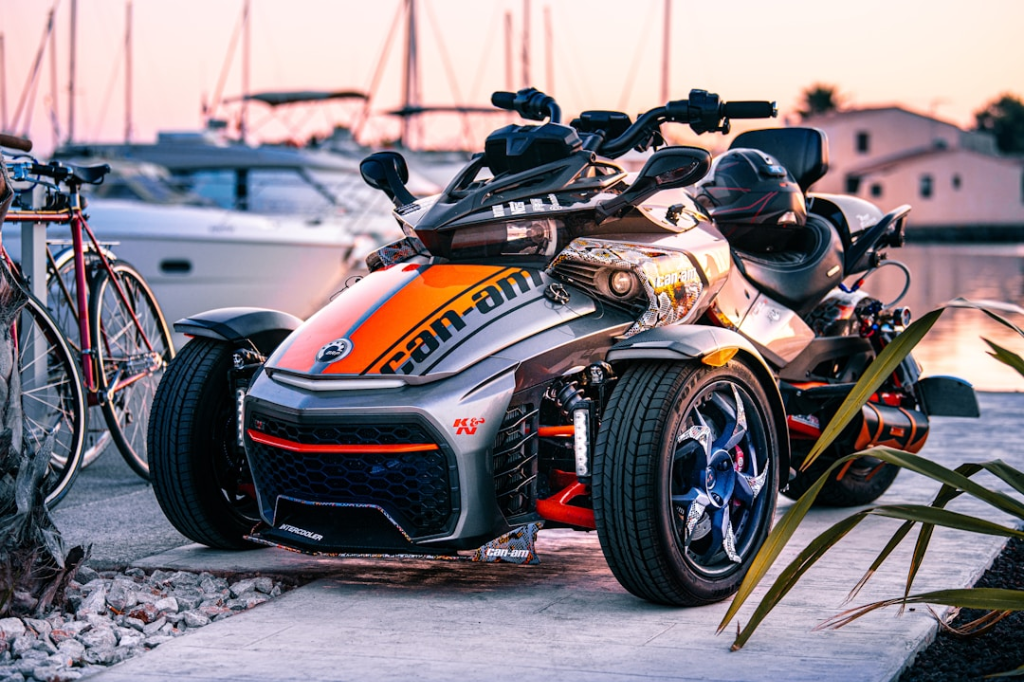
Three wheels may add stability, but North Carolina’s motorcycle rules still apply. Most trikes count as motorcycles, while a smaller group called autocycles follows different license and helmet rules.
Our Charlotte motorcycle attorneys at Karney | Clayton have protected injured bikers since 1975. As fellow riders who share your passion for the open road, we know a clear answer matters before you buy or roll out, so here is what NC trike laws say about licensing, gear, insurance, and riding.
Licensing Requirements for Three-Wheeled Vehicles in NC
Your license depends on how North Carolina classifies your vehicle.
How North Carolina Classifies Three-Wheelers
State law treats a vehicle with a saddle and up to three wheels as a motorcycle, which covers many trikes. An autocycle is a three-wheeled motorcycle with a steering wheel, pedals, antilock brakes, seat belts for each occupant, and seating that is fully or partly enclosed. Some mopeds also have three wheels, with a motor of 50 cubic centimeters or less and a top speed of 30 mph or less. If you are not sure where your vehicle fits, ask the dealer or NCDMV before you ride.
Do You Need a Motorcycle License for a Trike in NC?
Yes. NCDMV says you need a motorcycle learner permit or a motorcycle endorsement to operate a motorcycle, trikes included. However, an autocycle (a three-wheeled vehicle with a steering wheel, pedals, and other car-like features) can be operated with a regular driver’s license (Class D). To earn the endorsement, study the NCDMV Motorcycle Handbook for the knowledge test, then pass a DMV skills test or complete an approved Motorcycle Safety Foundation Basic Rider Course. Several North Carolina community colleges offer three-wheel courses that may waive the skills test.
Safety Gear and Regulations
Motorcycle safety rules apply to most three-wheeled riders and passengers.
Helmets Are Required for Most Riders
North Carolina law requires every motorcycle operator and passenger to wear a helmet that meets Federal Motor Vehicle Safety Standard 218. An autocycle with completely enclosed seating or a roll bar or roll cage is exempt, but an open one without either may not qualify. A helmet ticket is an infraction with a $25.50 penalty plus court costs. NCDMV says to look for a firm inner liner about one inch thick and a permanent DOT mark.
Reflective Clothing and Visibility
NCDMV lists brightly colored clothing, gear, and reflective tape among its rider safety guidelines because they help other drivers spot you.
Lights and Mirrors
A motorcycle’s headlamp and rear lamp must stay lit while it runs on a highway, and it needs a rearview mirror with a clear view 200 feet behind. Autocycles may follow different equipment rules, so confirm with NCDMV.
Insurance Coverage
North Carolina requires continuous liability insurance on every registered vehicle, including motorcycles and three-wheelers, according to NCDMV. For policies issued or renewed after July 1, 2025, the minimums are $50,000 for one injured person, $100,000 for two or more people, and $50,000 for property damage, plus uninsured and underinsured motorist coverage.
Minimums are a starting point, so use our insider tips for motorcycle insurance before you renew.
Where to Ride Your Trike in NC
Scenery is part of the fun, so plan your route.
Scenic Rides for Three-Wheelers
Popular rides include the Blue Ridge Parkway and the Tail of the Dragon on the Tennessee border. The National Park Service reports up to 250 motorcycle accidents a year on the Parkway and suggests single-file group riding and staying near the center of the lane.
Plan Your Ride Before You Roll
Check your tires, lights, brakes, and fluids before each trip, and use our spring motorcycle maintenance checklist. Read our tips for riding a motorcycle in the rain before a wet trip. Many riders also enjoy group rides, so keep your spacing, agree on hand signals, and plan your stops.
Resources for Three-Wheeled Vehicle Owners
The NCDMV Motorcycle Handbook covers road rules and safe riding, and BikeSafe North Carolina offers free Rider Skills Days statewide with skill assessments and on-road ride-outs.
Legal Steps After a Three-Wheeled Crash
Even with three wheels, a crash can cause serious injuries, and what you do first can shape your claim. Take these steps as soon as it is safe to do so:
- Call 911 and get medical care: Have a doctor check you even if you feel fine, because some injuries show up later.
- Report the crash: Stay at the scene, cooperate with police, and ask the officer for the report number.
- Document everything: Take photos of the vehicles, the road, your injuries, and your helmet and gear, and get names and contact details from any witnesses.
- Keep your records and gear: Save medical bills, repair estimates, and damaged equipment. Our motorcycle accident checklist walks you through what to gather.
- Be careful with insurance companies: Report the crash, but do not admit fault or give a recorded statement before you talk with an attorney. North Carolina’s contributory negligence rule may affect your case if you share any fault.
- Contact Karney | Clayton: Our team can review what happened, handle the insurance calls, and explain your options during a free case evaluation.
Acting quickly protects your health and your claim, though every case depends on its own facts.
Contact Karney | Clayton After a Three-Wheeled Vehicle Accident
Knowing your vehicle’s group makes the three-wheel rules easier to follow. Our team at Karney Clayton handles motorcycle accidents and serious automobile accidents, and we fight to help you receive what the law allows, including medical bills, lost income, and pain and suffering.
As Carolinas’ Biker Lawyers, we ride too. Bob Karney and Sean Clayton have each completed the training for a North Carolina motorcycle endorsement, and Sean is a Super Lawyers Rising Star and National Trial Lawyers Top 40 Under 40 honoree. We also support bikers through The Bulldog Foundation. If you have questions about your ride or a crash, contact our team today to schedule a free case evaluation.
Karney|Clayton has been representing injured bikers since 1975. With a clear understanding of the obstacles motorcyclists face both on the road and in the courtroom, our attorneys fight for motorcycle accident victims. Protecting bikers throughout the Carolinas with offices in Charlotte, Greensboro and Raleigh. From accident through recovery, we’ve got your back. Contact us for your free consultation 704-376-7982.
Disclaimer: All data and information provided on this blog is for general informational and entertainment purposes only and should not be considered legal advice. Karney|Clayton will not be liable for any errors or omissions, or any losses, injuries, or damages arising from its display or use. Karney|Clayton is not responsible for any third-party contents which are accessible through this blog.