What Are the Best Motorcycle Routes in the Carolina Mountains, and What Should Riders Watch Out For?

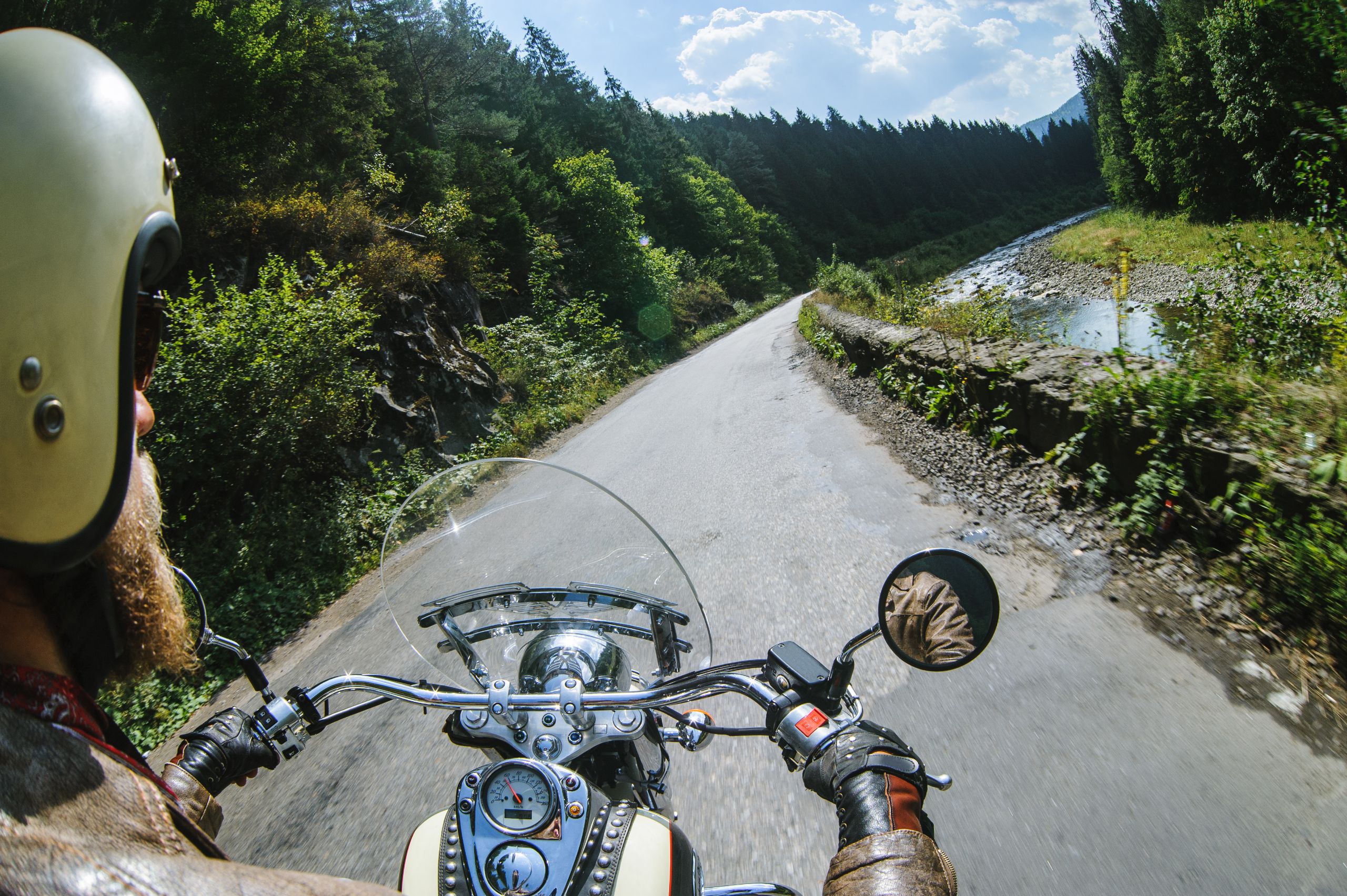
Riding through the Carolina mountains is one of the best reasons to own a motorcycle. The elevation changes, the tight switchbacks, and the long views make roads like the Blue Ridge Parkway and the Cherohala Skyway some of the most rewarding riding anywhere in the country. But mountain roads ask more of a rider than flat highway ever will, and the same curves that make these routes special are also where things can go wrong fast.
At Karney | Clayton, also known as Carolinas’ Biker Lawyers, we spend as much time on these roads as anyone. We know which curves tighten up without warning and which overlooks are worth the stop. This guide walks through some of the best motorcycle routes in the Carolina mountains and what riders should watch for along the way.
Where Should Riders Start in the North Carolina Mountains?
The Blue Ridge Parkway is the obvious starting point, and for good reason. It stretches through western North Carolina with a nearly endless run of curves, overlooks, and elevation changes. Speeds stay low, which gives riders more time to react, but the tradeoff is limited sightlines around blind corners and a surface that can get slick under tree cover even on a dry day.
Not far from the Parkway sits the Cherohala Skyway, a route that climbs over 5,000 feet in elevation between Robbinsville, North Carolina, and Tellico Plains, Tennessee. The road is wide and well maintained, but the altitude brings its own challenges. Fog rolls in fast near the summit, and temperatures can drop enough that a rider comfortable at the base may be underdressed by the time they reach the top.
What Makes the Diamondback and Deals Gap Different?
US 129, known to most riders as the Diamondback or the Tail of the Dragon, sits right on the North Carolina and Tennessee border and packs 318 curves into 11 miles. It draws riders from across the country every riding season, and that popularity is part of what makes it demanding. Heavy weekend traffic, a mix of skill levels, and a narrow shoulder with limited runoff area mean there is little room for error.
Reading the Road Before the Ride
Riders who know the Dragon well tend to scout conditions before committing to a hard pace. Wet leaves in the fall, gravel washed down from a recent rain, and oncoming riders who drift wide on a blind curve are common on this stretch. Slowing down on the first pass to read the pavement can matter more than shaving a few seconds off a lap.
What to Know About Motorcycle Routes in South Carolina
South Carolina riders do not have to travel far to find mountain terrain of their own. Highway 11, the Cherokee Foothills Scenic Highway, runs along the base of the Blue Ridge range and connects several smaller roads worth exploring, including the climb up to Caesars Head State Park. The grades are gentler than those farther north in North Carolina, making this a good option for riders who want mountain scenery without the tightest switchbacks.
Route 178 near Rocky Bottom adds a tighter, more technical stretch to the mix, with steep drop-offs and less guardrail coverage than most riders expect. A route like this rewards a rider who has already built up some mountain experience elsewhere before taking it on at a quick pace.
What Should Riders Watch Out For on Carolina Mountain Routes?
Mountain roads concentrate a lot of the same hazards that riders may only see occasionally on flatter routes. Roadway departure, meaning a rider crosses the center line or drifts off the edge of the road, is far more common on rural roads like these than in town. According to NHTSA’s 2023 rural and urban traffic fatality data, roadway departure crashes made up nearly two-thirds of rural traffic fatalities that year, compared to just over a third in urban areas. That gap lines up with what curvy mountain routes ask of a rider every mile.
A few habits go a long way toward staying upright on these roads. Riders should consider the following before heading into the mountains:
- Check the weather at both the base and the summit, as temperature and visibility can change fast with elevation.
- Slow down on any curve with limited sightlines because gravel, wet leaves, or an oncoming rider drifting wide are all common.
- Keep a wider following distance in a group. A rider who has to brake hard on a blind curve needs room behind them too.
- Watch fuel and phone signal on longer stretches like the Cherohala Skyway, where services can be far apart.
None of this means avoiding these roads. It simply means riding them carefully and with your safety and the safety of others in mind, which is part of what keeps them worth returning to season after season.
Karney | Clayton Is Here for Riders Across the Carolinas
We built this firm on a genuine love of riding, not just a legal practice built around it. Bob Karney and Sean Clayton have spent years representing bikers across North Carolina and South Carolina, and that time on two wheels shapes how we approach every case that comes through our door. We understand the specific risks that come with mountain and rural riding, from the way a missed apex on a blind curve plays out to how a crash on a road with limited cell coverage can delay help arriving.
If you have been in a motorcycle accident on a mountain route or anywhere else in the Carolinas, we may be able to help you understand your options and pursue what you are owed. Whether you ride solo or with a group, our team can speak directly to what happens on the road. Reach out today to talk through your situation with our team.