
The Blue Ridge Parkway Motorcycle Safety Guide

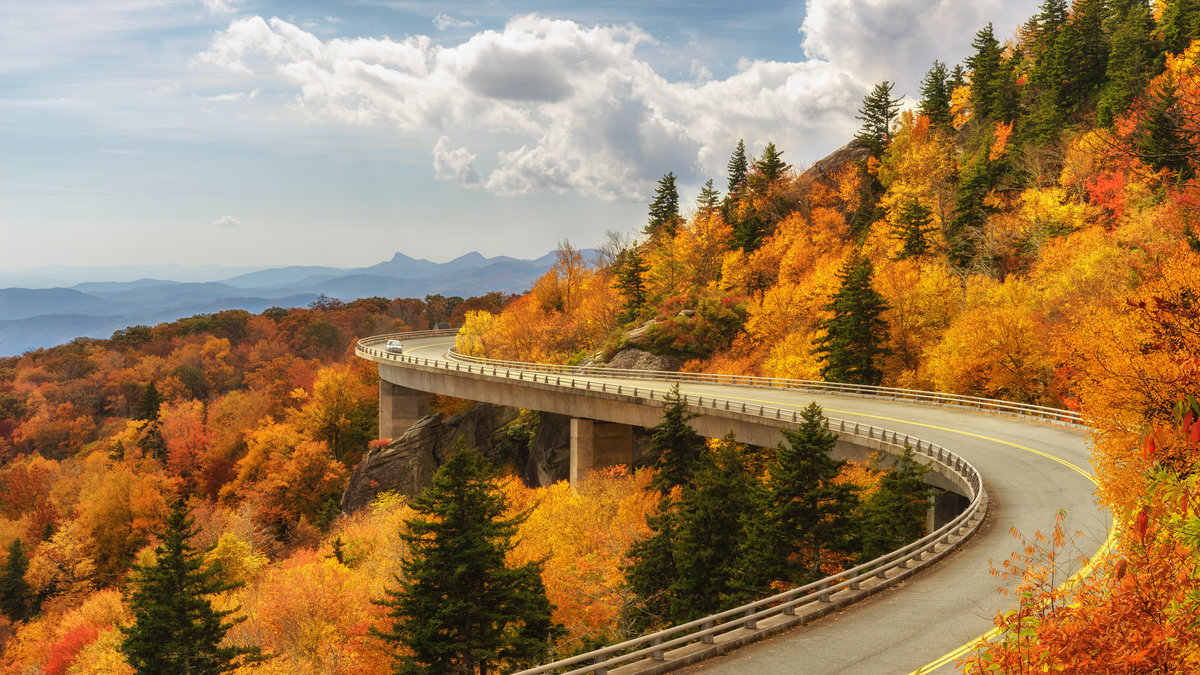
Few roads in the country match what the Blue Ridge Parkway offers: 469 miles of sweeping curves, mountain elevation changes, and views that make the ride worth every mile. But that beauty comes with real risk. The Parkway consistently ranks as one of the most dangerous roads for motorcyclists in the entire National Park System, and knowing what makes it challenging before you roll out could make all the difference.
At Karney | Clayton, we have been riding alongside North Carolina bikers since 1975. As the Carolinas’ Biker Lawyers, we know what happens when a great ride goes wrong, and we want to help you avoid that. Our biker resources are built for riders who want to stay informed, not just stay out of trouble.
What Makes the Blue Ridge Parkway Different?
The Parkway was not designed like a highway. It was built for sightseeing, which means the engineering priorities were different from the start. Speed limits are low, typically 45 mph, but the road design assumes you will slow down further for curves. The shoulders are narrow and often soft, meaning a slight drift off the pavement can go from manageable to dangerous fast.
Elevation changes add another layer. As you gain or lose altitude, road conditions can shift quickly. Fog rolls in without warning at higher elevations, and temperatures drop in ways GPS weather apps do not always catch in time. What felt like perfect riding weather at the base of a climb may become a wet, low-visibility stretch just a few miles up.
Watch the Curves
The Parkway’s curves are engineered to tighten as you move through them, particularly on descents. This is a known design feature, not a fluke. Riders who enter a curve at a comfortable speed can find themselves with less room to maneuver than expected. The fix is simple: enter slower than you think you need to and let the curve open up to you rather than the other way around.
According to the National Park Service, the Blue Ridge Parkway has the highest number of motorcycle crash injuries and fatalities in the entire NPS system. In 2023 alone, rangers responded to 394 motor vehicle crashes on the Parkway, 83 of which involved motorcycles. Those numbers are a reminder that even experienced riders get caught off guard here.
Gear Up for Mountain Riding Conditions
Mountain riding calls for gear decisions you would not make on a flat stretch of highway. Temperatures can be 10 to 15 degrees cooler at elevation, and rain is common at higher points on the Parkway, even on days when the valleys are clear. Layering is smart. A good base layer, a mid-layer, and a waterproof outer shell give you options without bulk.
Helmet choice matters here, too. A full-face helmet provides wind and debris protection that open-face helmets do not, and in fog or light rain, a face shield keeps your vision clear when you need it most. Head injuries are among the most serious outcomes in any motorcycle crash, and the right gear is your first line of protection before any legal question ever enters the picture.
Riding in a Group on the Parkway
The Parkway is a popular group ride destination, and the experience of rolling through mountain scenery with other riders is hard to beat. But group riding on a narrow road with unpredictable curves requires more discipline than riding an open highway. Here are the basics every group should follow before heading out:
- Ride staggered: Keep a staggered formation in your lane so each rider has room to maneuver independently.
- Use pull-offs: When stopping to take in a view or rest, pull completely off the road at designated areas rather than stopping in the lane.
- Set a pace for the slowest rider: The group moves together, which means the weakest link sets the pace for everyone’s safety.
- Communicate before you go: Agree on signals for slowing, stopping, and turning before you leave the parking lot.
One poorly timed stop or a gap closing too fast can turn a scenic group ride into a serious situation. A little planning before you leave goes a long way.
What to Do If You’re Hurt on the Blue Ridge Parkway
Even cautious riders can end up in situations they did not plan for. Cell coverage along the Parkway is inconsistent at best, and in some stretches, it disappears entirely. If you are riding solo, let someone know your planned route and expected return time. If you are in a group, designate someone as the point of contact for emergencies.
Crashes on the Parkway can involve spinal injuries and other serious trauma, especially at mountain speeds where even a low-side fall carries real force. If an accident involves another driver, document everything you safely can: photos of the scene, the other vehicle, road conditions, and any witnesses. North Carolina’s contributory negligence law means the details of how a crash unfolded may significantly affect your ability to recover compensation.
Injured in a Motorcycle Accident on Blue Ridge Parkway? Contact Karney | Clayton Today
The Blue Ridge Parkway is one of the most rewarding rides in the Carolinas, and it deserves real respect. Whether you are a seasoned rider or still building your miles, the Parkway’s curves, elevation changes, and unpredictable conditions can catch anyone off guard. Preparation is the best thing you can bring with you.
If you have been in a crash on the Blue Ridge Parkway, Carolinas’ Biker Lawyers are ready to help. We have been fighting for riders since 1975, and we know how these cases work from both sides of the road. Reach out to us today, and let’s talk about what your options may look like. You do not have to figure it out alone.
Karney|Clayton has been representing injured bikers since 1975. With a clear understanding of the obstacles motorcyclists face both on the road and in the courtroom, our attorneys fight for motorcycle accident victims. Protecting bikers throughout the Carolinas with offices in Charlotte, Greensboro and Raleigh. From accident through recovery, we’ve got your back. Contact us for your free consultation 704-376-7982.
Disclaimer: All data and information provided on this blog is for general informational and entertainment purposes only and should not be considered legal advice. Karney|Clayton will not be liable for any errors or omissions, or any losses, injuries, or damages arising from its display or use. Karney|Clayton is not responsible for any third-party contents which are accessible through this blog.