
Ride Safe in Charlotte’s Summer Storms

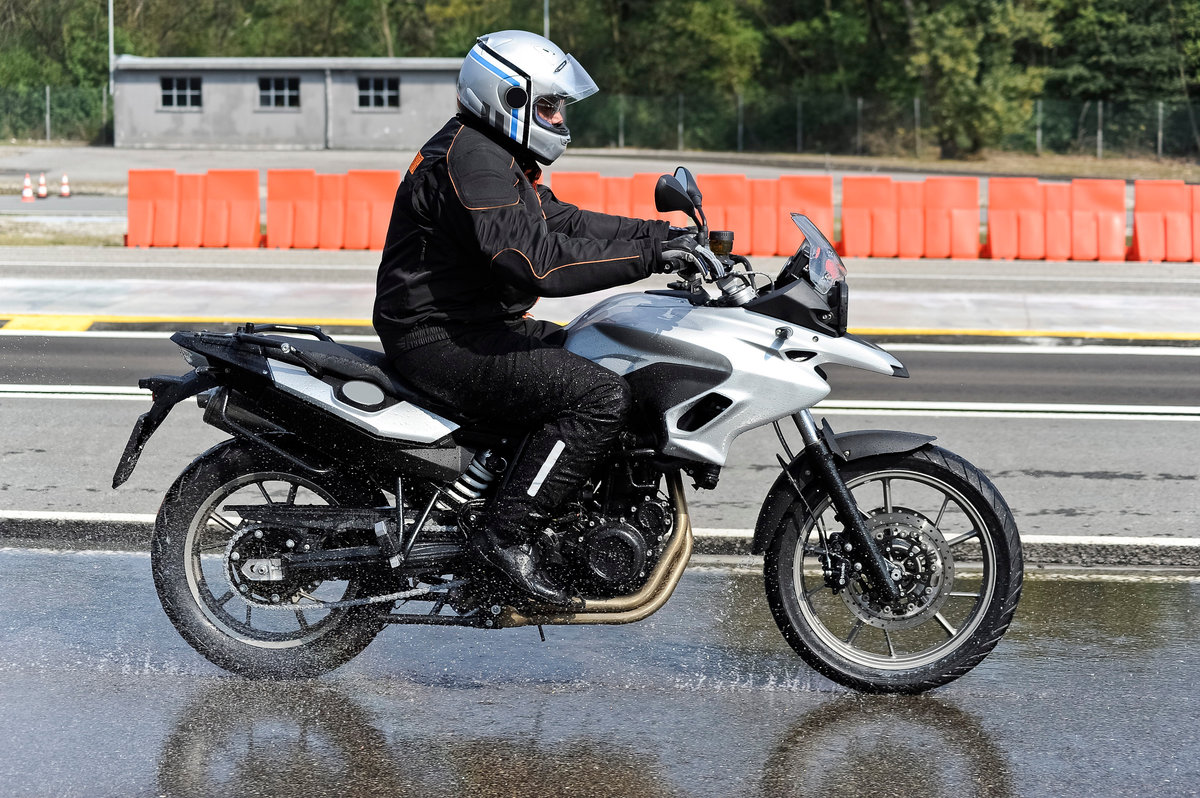
Summer storms in Charlotte bring sudden downpours, lightning strikes, and dangerous road conditions that can turn a peaceful ride into a life-threatening situation. These weather events develop quickly across the region, often catching riders off guard with little time to seek shelter, creating hazardous conditions that demand immediate action and careful preparation. Planning, knowing storm warning signs, and pulling over safely can help you stay safe in these conditions.
When storm-related motorcycle accidents occur, the legal complexities multiply as quickly as the weather changes. At Karney | Clayton, we understand the unique challenges that Charlotte riders face during summer storm season. Our team has spent over 40 years helping injured motorcyclists navigate both their physical recovery and their legal rights after weather-related crashes. Therefore, you can trust us to guide you through every step of your case while you focus on recovery.
6 Ways to Stay Safe as a Motorcyclist in Summer Storms
Protecting yourself during Charlotte’s unpredictable summer weather requires preparation, awareness, and quick decision-making skills that can mean the difference between a safe ride and a serious accident. Taking the following actions can help keep you and those around you safe during storms:
Pre-Ride Weather Planning
Check multiple weather sources before heading out, including radar imagery and hourly forecasts specific to your planned route. Charlotte’s summer weather can change dramatically within a few miles, so understanding regional patterns helps you make informed decisions. The National Weather Service issues severe thunderstorm watches and warnings that should never be ignored, as these storms often produce hazardous conditions, including microbursts and flash flooding.
Plan escape routes and identify safe shelter locations along your intended path. Gas stations, restaurants, and other businesses with covered areas provide temporary protection during sudden storms. Avoid parking under trees during lightning storms, as falling branches pose additional risks beyond the electrical danger.
Reading Storm Warning Signs
Dark, towering clouds building rapidly on the horizon signal approaching thunderstorms that may reach you faster than expected. Temperature drops of 10 degrees or more within minutes often precede severe weather, and sudden changes in wind direction indicate an approaching storm front. Lightning visible in the distance means you should seek shelter immediately, as storms move faster than most riders anticipate.
Riding Techniques for Wet Conditions
Reduce your speed by at least 25% when roads become wet, as motorcycle tires lose significant traction on wet pavement. Avoid sudden movements, including hard braking, sharp turns, and rapid acceleration, that can cause your bike to slide. Increase the following distance to at least four seconds behind other vehicles, giving yourself more time to react to their movements or sudden stops.
Watch for standing water, which can hide potholes, debris, or uneven pavement that becomes dangerous at speed. Charlotte motorcycle accident cases often involve riders who lost control after hitting hidden hazards in flooded areas. Painted lines, manhole covers, and metal surfaces become extremely slippery when wet, requiring extra caution when crossing them.
Dress Appropriately
Wear bright, reflective clothing that remains visible in reduced light conditions common during storms. Rain gear should fit properly without restricting movement or creating wind resistance that could affect your balance. Quality rain gloves maintain grip on handlebars while waterproof boots prevent water from affecting your ability to operate foot controls safely.
When to Pull Over Safely
Stop riding immediately when visibility drops below 100 feet or when you can no longer see lane markings clearly. Heavy rain combined with spray from other vehicles creates dangerous blind spots that make continuing unsafe. Pull completely off the roadway onto stable ground, away from traffic flow and potential flooding areas.
Turn on your hazard lights and position your motorcycle where it’s visible to other drivers but protected from passing traffic. Never stop on bridges or overpasses where wind exposure increases, and avoid low-lying areas where flash flooding could trap you.
Emergency Response Planning
Carry a fully charged cell phone in a waterproof case and have the numbers for emergency services and roadside assistance readily available. Program trusted contacts who can help coordinate rescue or recovery if needed. Share your planned route with someone reliable who can alert authorities if you don’t arrive as expected.
Consider investing in emergency beacons or GPS devices specifically designed for motorcyclists, which can summon help even in areas with poor cell coverage. Basic first aid supplies stored in waterproof containers may prove valuable if you or another rider needs immediate assistance while waiting for help to arrive. Ensure your helmet visor is clean and consider anti-fog treatments that prevent vision problems during temperature changes.
Contact Carolinas’ Biker Lawyers After a Storm-Related Accident
Weather-related motorcycle accidents present unique legal challenges that require experienced representation from attorneys who understand both motorcycle dynamics and North Carolina weather patterns. Our team has successfully handled hundreds of cases involving storm-related crashes, securing compensation for medical bills, lost income, and pain and suffering caused by dangerous road conditions and other drivers’ negligence during severe weather.
Since 1975, we have built our reputation protecting riders throughout the Charlotte area and across North Carolina. We understand the biker community because we are part of it, and we know how insurance companies try to blame weather conditions instead of accepting responsibility for preventable accidents. Contact us at 704-376-7982 or through our contact form to discuss your case with attorneys who have spent decades fighting for injured motorcyclists and know how to get results.