Specific Laws to Keep Motorcyclists Safe in North Carolina

North Carolina has several laws that protect riders, and they reach well past the helmet rule. Some tell you how to ride. Others tell the drivers around you how they must treat a motorcycle. Many riders know a few of these laws and miss the rest, and that gap can matter after a crash.
Carolinas’ Biker Lawyers at Karney Clayton work with injured riders every day, and we see how often one traffic rule decides whose story holds up. Plenty of rules every North Carolina biker should know are easy to miss. Knowing these rules helps you ride with confidence and spot when another driver ignores them. More riders head out when the weather warms, so the rules matter even more then.
Helmet and Lighting Rules
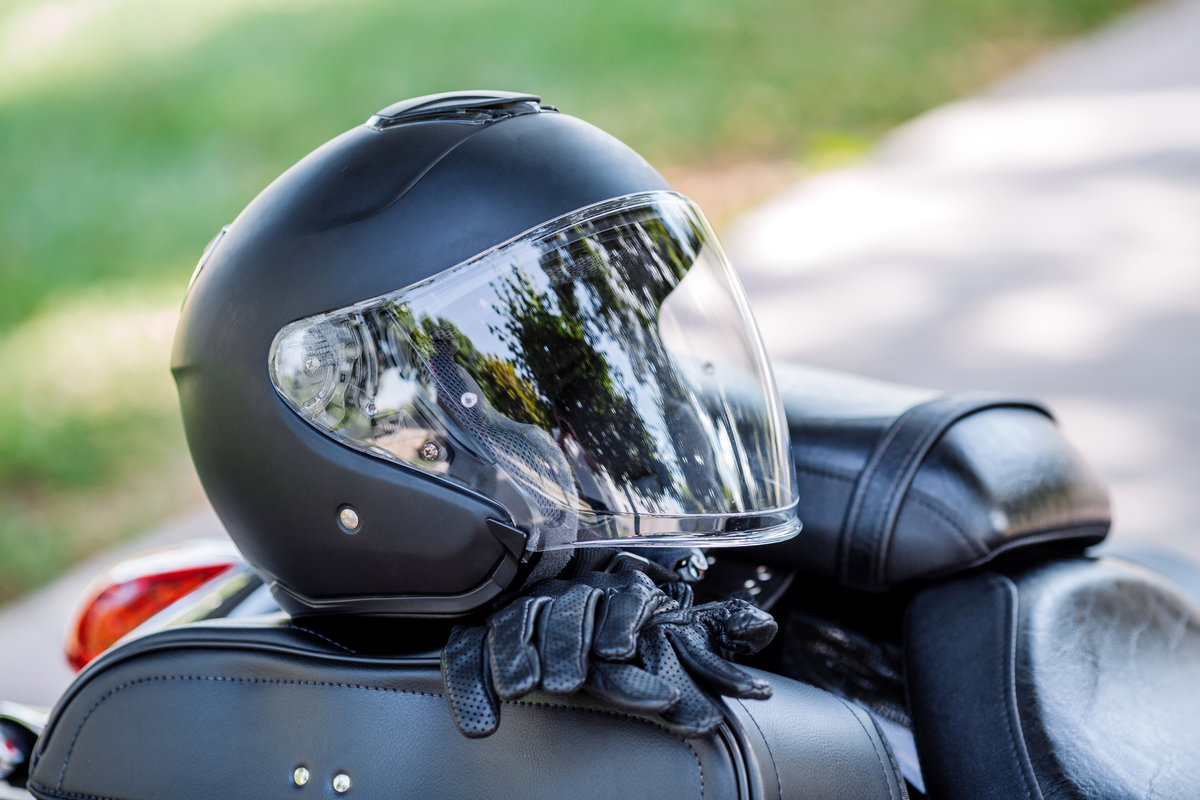
Helmets come first. Every rider and every passenger needs one that meets the federal FMVSS 218 standard, and the NCDMV explains how to spot a compliant helmet.
Lighting rules help drivers see you. Your headlamp and rear lamp must stay lit any time you ride on public roads, and any motorcycle built after 1955 needs a stop lamp. Those rules apply in daylight, in rain, and in darkness.
Lane Rules for Riders
State law allows two motorcycles to ride side by side in one lane, but no more than two. Riding between lanes of traffic is a separate matter, so make sure you know lane splitting laws in North Carolina and that lane splitting is prohibited in the state.
Your license counts as safety gear, too. NCDMV says you need a motorcycle endorsement or a learner permit before you ride, and an approved Basic Rider Course can stand in for the DMV skills test. Completing motorcycle safety courses may also matter later if you file an accident claim.
Laws That Protect You From Other Drivers
Some of the strongest protections for riders are duties placed on other drivers. These include the following:
- Full use of a lane: Drivers may not squeeze you out of your lane.
- Left-turn yield: A driver turning left must yield to oncoming vehicles that are in the intersection or close enough to be an immediate hazard.
- Safe following distance: Drivers may not follow another vehicle more closely than is reasonable and prudent, based on speed, traffic, and road conditions.
NCDMV notes that a car’s blind spot can easily hide a motorcycle, which is why these duties matter.
Distracted and Impaired Riding Laws
Riders need full focus, so the law sets firm limits on phones and alcohol. State law bars you from typing or reading text messages and emails on a mobile phone while you drive, and the penalty is a $100 fine plus court costs.
The impaired driving law applies to any vehicle, including your motorcycle. A rider may face a charge at an alcohol concentration of 0.08 or more, or for riding under the influence of any impairing substance. Having a legal right to use a drug is not a defense. Both laws apply on public streets, highways, and other public roadways.
Riding Season Habits That Back Up the Law
Laws set the minimum, and habits do the rest. Walk around your bike before you roll out. Check tire wear, brake feel, and every lamp, because a burned-out bulb can put you out of compliance with the lighting rules. Run through a spring motorcycle maintenance checklist so nothing gets missed.
NCDMV points riders to BikeSafe North Carolina, which hosts free Rider Skills Days across the state with skill checks, classroom time, and on-road ride-outs.
If you ride in a group, remember the two-abreast limit and review group riding safety tips before the next run. Weather changes the ride, too, so learn to handle high winds before gusts catch you off guard.
What Happens When a Driver Breaks These Laws
North Carolina’s pattern jury instructions for civil cases say breaking some of these rules, including following too closely and failing to yield on a left turn, is negligence in itself. That can support a rider’s case, but insurers may still try to shift blame. North Carolina’s contributory negligence rule makes your own compliance with these laws even more important.
Photos, witness names, and medical records can all show how a crash happened, so gather motorcycle accident evidence while it is fresh if you can.
Talk With Karney | Clayton About Your North Carolina Motorcycle Crash
Traffic laws protect riders, but proving a driver broke one takes evidence and fast action. We handle motorcycle crashes and serious car wrecks from our offices in Charlotte, Greensboro, and Raleigh. We pursue payment for medical bills, lost income, and pain and suffering.
Attorneys Bob Karney and Sean Clayton put their names on our firm, and Sean is admitted to practice in both North Carolina and South Carolina. If another driver’s mistake left you hurt, contact us today to schedule a free case evaluation.