
Blog
Motorcycle Accident Evidence: What Do You Need to Preserve at the Scene?

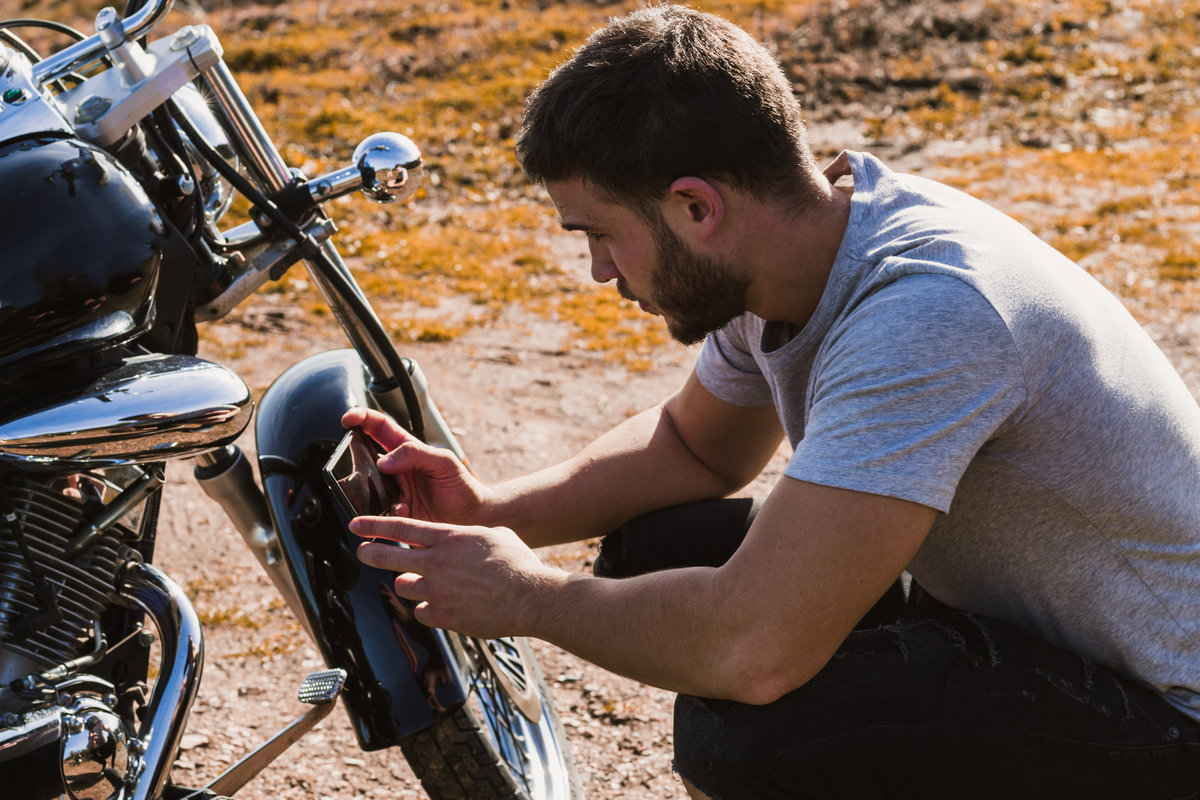
The moments after a motorcycle crash are critical for more than just your physical recovery. The evidence you gather at the scene, including photos, contact information, and official records, can make or break your ability to recover fair compensation for your injuries and losses. Most riders don’t realize how quickly important details can disappear or change.
As fellow riders who share your passion for the open road, we know motorcycle accidents are personal battles that affect every aspect of your life. At Karney | Clayton, our team combines decades of legal experience with a genuine understanding of biker culture. Since 1975, we’ve been fighting for injured motorcyclists across North Carolina and South Carolina, ensuring you receive both skilled representation and the respect you deserve during this difficult time.
Why Evidence Matters in Your Motorcycle Accident Case
Insurance companies approach motorcycle accident claims with built-in bias. They often assume the rider was at fault or exaggerating their injuries. Therefore, the evidence you preserve at the scene becomes your most powerful defense against these unfair tactics. Strong documentation creates a clear picture of what actually happened and makes it much harder for insurance adjusters to minimize or deny your claim.
Physical evidence can disappear within hours of an accident. Skid marks fade, debris gets swept away, and vehicle damage can be repaired. Witnesses may become challenging to locate days or weeks after the crash. The scene itself tells a story, but only if you capture it before circumstances change. Every photo, every contact number, and every detail you preserve strengthens your position when negotiating with insurance companies or presenting your case in court.
Critical Evidence to Collect at a Motorcycle Accident Scene
Your ability to gather evidence depends on your physical condition after the crash, but even small efforts can make a significant difference. If you’re able to move safely, focus on preserving the following:
Photographic Documentation
Take as many photos and videos as possible from multiple angles. Capture wide shots of the entire accident scene and location, then move closer for detailed images of vehicle damage, road conditions, traffic signs, and weather. Photograph any skid marks, fluid patterns on the road, and debris fields. Document your bike’s position and the other vehicle’s position relative to lane markings and traffic controls. These images preserve the scene exactly as it appeared immediately after impact.
Contact Information and Witness Statements
Exchange contact and insurance information with all drivers involved in the accident. Get the names, phone numbers, and addresses of any witnesses who saw the crash occur. Even if witnesses seem reluctant to get involved, simply having their contact information allows your attorney to follow up later. Ask witnesses if they’re willing to provide a brief statement about what they observed, and use your phone to record their account if they agree.
Don’t rely on the police report to capture all witness information. Officers may not interview everyone at the scene, and some witnesses might leave before law enforcement arrives.
Physical Items and Vehicle Condition
Your damaged riding gear can serve as powerful evidence of impact severity. Preserve your helmet, jacket, gloves, and any other gear you were wearing. Don’t clean or repair anything before your attorney examines it. Note the exact location where pieces of your motorcycle or the other vehicle came to rest. If possible, collect small items, such as broken lights, mirrors, or trim pieces, that provide more insight into the collision’s force and direction.
Official Records and Environmental Conditions
Request a copy of the police report and note the responding officer’s name and badge number. If emergency medical services respond to the scene, get information about which ambulance service transported you and to which hospital. These official records create an objective timeline and provide crucial details that support your account of the accident.
Document weather and road conditions carefully. Was the road wet, dry, or covered in debris? Were there potholes or road defects that contributed to the crash? Note the time of day and visibility conditions. These environmental factors often play a role in motorcycle accident cases and can shift liability in your favor.
What to Do When You Can’t Collect Evidence Yourself
Serious injuries may prevent you from gathering evidence at the scene. If you’re unable to document the accident yourself, you can ask someone nearby to help. A passenger or witness can take photos and collect contact information on your behalf. Your priority should always be getting medical attention for your injuries.
Even if evidence collection seems impossible at the scene, don’t give up on your case. We can work with accident reconstruction specialists, obtain traffic camera footage, and track down witnesses after the fact. The sooner you contact a lawyer who understands motorcycle accidents, the better your chances of preserving whatever evidence remains available.
Get the Representation You Deserve After a Motorcycle Accident at Karney | Clayton
Preserving evidence is just the first step in protecting your rights after a motorcycle accident. The team at Carolinas’ Biker Lawyers understands what you’re going through because we ride too. Our hands-on approach means we personally handle your case, giving you direct access to attorneys who combine over four decades of experience representing injured motorcyclists with genuine respect for biker culture.
We provide the personal attention you won’t find at larger firms. Bob Karney and Sean Clayton give clients their cell phone numbers and stay involved in every aspect of your case. This commitment to direct communication means you’re never left wondering about your case status or struggling to reach your attorney. Don’t face the insurance companies alone. Contact us today to discuss your case and learn how we can help you get back on the road.