Blog
Specific Laws to Keep Motorcyclists Safe in North Carolina

North Carolina maintains specific motorcycle laws designed to protect riders and other motorists sharing the road. These regulations cover everything from helmet requirements and licensing procedures to equipment standards and traffic violations that commonly affect motorcyclists. Understanding these laws helps riders avoid citations, insurance complications, and legal issues that can arise after accidents involving questions of compliance or negligence.
Motorcycle riders who understand their legal obligations and rights under North Carolina law are better positioned to protect themselves both on the road and in legal proceedings following accidents. At Carolinas’ Biker Lawyers, we help riders navigate complex motorcycle accident cases while ensuring they understand how state laws affect their situations. Our legal team has represented motorcyclists for over 40 years and knows how proper legal knowledge supports safer riding practices.
Helmet and Safety Equipment Requirements For Bikers
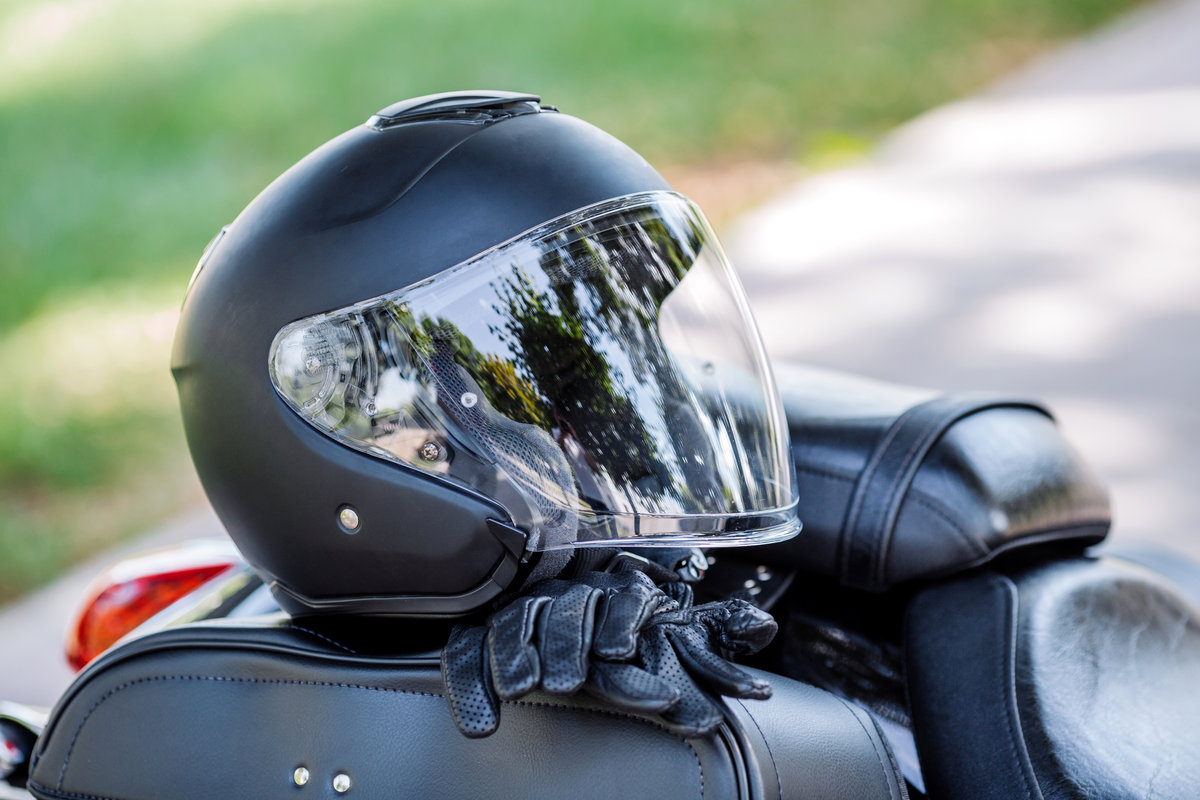
North Carolina law requires all motorcycle operators and passengers to wear safety helmets that comply with Federal Motor Vehicle Safety Standard 218. This requirement applies regardless of age, experience level, or motorcycle type. The helmet must be properly fastened with either a neck or chin strap, and riders cannot legally operate motorcycles with improperly secured or non-compliant helmets.
Eye protection laws in North Carolina require motorcyclists to wear protective eyewear unless their motorcycle is equipped with a windscreen or windshield that provides adequate protection. Acceptable eye protection includes safety glasses, goggles, or transparent face shields that meet state standards. Contact lenses alone do not satisfy this legal requirement.
Headlight requirements mandate that motorcycles operate with headlights illuminated at all times, regardless of time of day or weather conditions. This differs from automobile requirements and helps increase motorcycle visibility to other drivers. North Carolina also requires motorcycles to have functioning taillights, turn signals, and mirrors that meet specific positioning and visibility standards.
What to Know About Motorcycle Licensing and Endorsement Laws
North Carolina requires all motorcycle operators to obtain a motorcycle endorsement on their driver’s license before legally operating any motorcycle on public roads. This endorsement requires passing both written knowledge tests and practical riding skill demonstrations that cover safe operating procedures, traffic laws, and emergency maneuvers specific to motorcycles.
The motorcycle endorsement process includes completion of an approved motorcycle safety course or passage of the state’s motorcycle road skills test. Many riders choose the North Carolina Motorcycle Safety Education Program, which provides comprehensive training in defensive riding techniques and hazard recognition. Our attorneys completed this training to better understand the challenges motorcyclists face.
Learner’s permits allow beginning riders to practice under specific restrictions before obtaining full endorsements. These permits require supervision by licensed motorcycle operators and prohibit riding during certain hours or carrying passengers. Violating learner’s permit restrictions can result in citations and complicate insurance claims after accidents.
Traffic Law Applications and Lane Usage For Motorcyclists in North Carolina
North Carolina prohibits lane splitting, which involves operating motorcycles between lanes of traffic or between adjacent rows of vehicles. While some states allow this practice, North Carolina considers it unsafe and illegal. Motorcyclists caught lane splitting face traffic violations and potential liability issues if accidents occur during these maneuvers.
Lane positioning within legal traffic lanes remains at the rider’s discretion, allowing motorcycles to use any portion of their lane for optimal visibility and safety. Smart positioning helps riders avoid vehicle blind spots and maintain escape routes when traffic conditions change suddenly. However, motorcycles cannot share lanes with other vehicles except in specific circumstances involving police escorts or emergency situations.
Following distance laws apply equally to motorcycles and other vehicles, but experienced riders often maintain greater distances to compensate for reduced stopping ability on certain road surfaces. Charlotte motorcycle accident cases frequently involve rear-end collisions where proper following distance could have prevented injuries.
Motorcycle Equipment and Modification Regulations
North Carolina maintains specific requirements for motorcycle exhaust systems and noise levels. While the state doesn’t establish maximum decibel limits, motorcycles must have functioning muffler systems in good repair. Cutouts, bypasses, and similar devices that increase noise levels beyond manufacturer specifications are prohibited on public highways.
Turn signal requirements mandate that motorcycles manufactured after certain dates include functioning directional signals. Older motorcycles may use hand signals, but riders must understand proper hand signal procedures and ensure other drivers can see these signals clearly. Modern motorcycles must maintain their original turn signal systems in working order.
The following modifications require particular attention under North Carolina law:
- Handlebar height restrictions that limit bars above shoulder level when seated
- Mirror requirements for adequate rear visibility on both sides
- Tire condition standards that prohibit excessive wear or improper sizing
- Lighting modifications that maintain required visibility without creating glare
- Seat and footrest requirements when carrying passengers
These equipment standards help ensure motorcycles remain safe and legal for road use while protecting riders from citations that could complicate accident claims.
Contact Karney | Clayton for Legal Guidance
Understanding North Carolina motorcycle laws helps riders avoid violations, but legal questions often arise after accidents involving compliance issues or disputed liability. Insurance companies frequently investigate whether riders violated any traffic laws before accidents, using violations to reduce settlement amounts or deny claims entirely.
Our motorcycle accident attorneys understand how state laws apply to real-world riding situations and accident scenarios. We’ve seen how minor legal violations can be used against riders unfairly, and we know how to defend motorcyclists whose rights have been violated. Our experienced team includes riders who understand both the legal requirements and practical challenges motorcyclists face daily. Call us at 704-376-7982 or contact us to discuss how North Carolina motorcycle laws affect your situation.